




29 May 2026
Receiving a lung cancer diagnosis turns a family's world upside down in a single conversation. The questions that follow are immediate and overwhelming: What stage is it? What are the options? And what are the realistic chances? The lung cancer survival rate in India is not one number that fits every patient. It depends on when the cancer is caught, what type it is, how healthy the patient is overall, and where they receive treatment. The lung cancer cure rate in 2026 is shifting in a positive direction. Molecular diagnostics, immunotherapy, and targeted drugs are producing outcomes that were not achievable a decade ago. The most common type diagnosed across India is non-small cell lung cancer, which has its own progression pattern and treatment logic. Even patients requiring lung cancer stage 4 treatment have more options today than ever before. This guide breaks it down stage by stage plainly, without overpromising.
What Causes Lung Cancer and What to Watch For
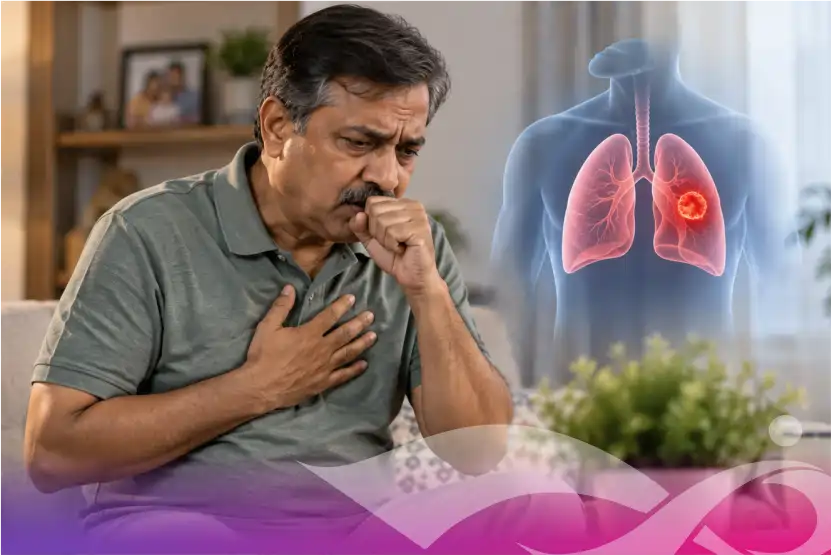
Lung cancer forms when cells in the lung begin dividing without control. Smoking is the leading cause, but a significant portion of patients develop the disease through air pollution, secondhand smoke, chemical exposure at work, or a family history of cancer. Many non-smokers who develop non-small cell lung cancer delay getting checked simply because they assume the disease does not apply to them and that delay costs time that matters.
Early symptoms rarely feel alarming. A cough that drags on past three weeks. Mild tightness in the chest. Getting winded on a walk that never used to cause it. Most people chalk these up to a seasonal bug or getting older. By the time blood shows up in a cough, unexplained weight drops sharply, or persistent bone pain arrives, the cancer has usually advanced. That gap between the first symptom and the first consultation is one of the main reasons the lung cancer survival rate in India leans toward later-stage diagnoses. Catching it early is the single most powerful factor any patient controls.
Stage-wise Survival and Treatment Reality
Stage 1 and Stage 2
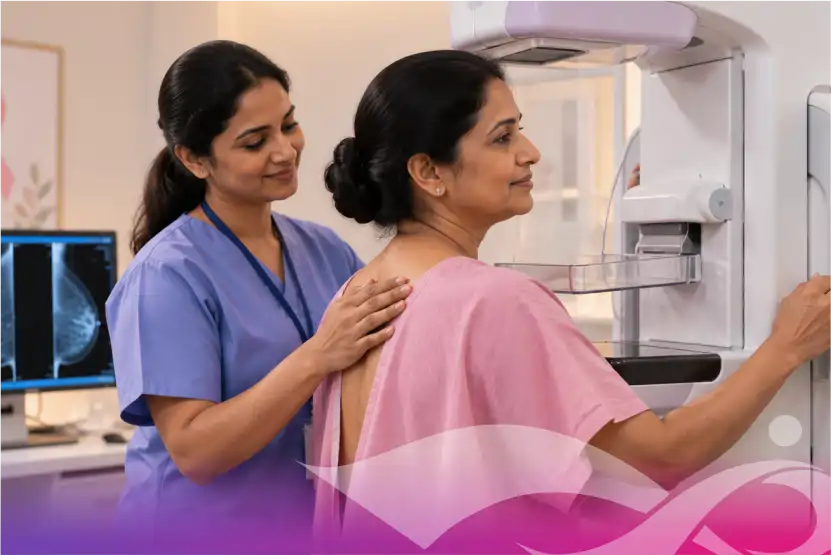
At these stages the cancer sits within the lung or has spread only minimally. Surgical removal of the tumour is frequently an option. Radiation clears residual cancer cells after surgery. Targeted therapy is layered in when molecular testing identifies specific mutations. Patients diagnosed at Stage 1 or 2 carry the strongest survival odds — and this is the stage where the Lung Cancer Cure Rate India 2026 is showing the clearest real-world improvement. Wider imaging access and growing symptom awareness are bringing more patients into this window.
Stage 3
Cancer at Stage 3 has reached nearby lymph nodes or crept into surrounding structures. Surgery works for some patients but not all. Treatment usually combines chemotherapy with radiation, and immunotherapy is added based on the tumour's molecular makeup. Results here vary some patients reach durable remission, others progress faster. How the treating team handles complexity at this stage directly shapes which direction the outcome goes.
Stage 4
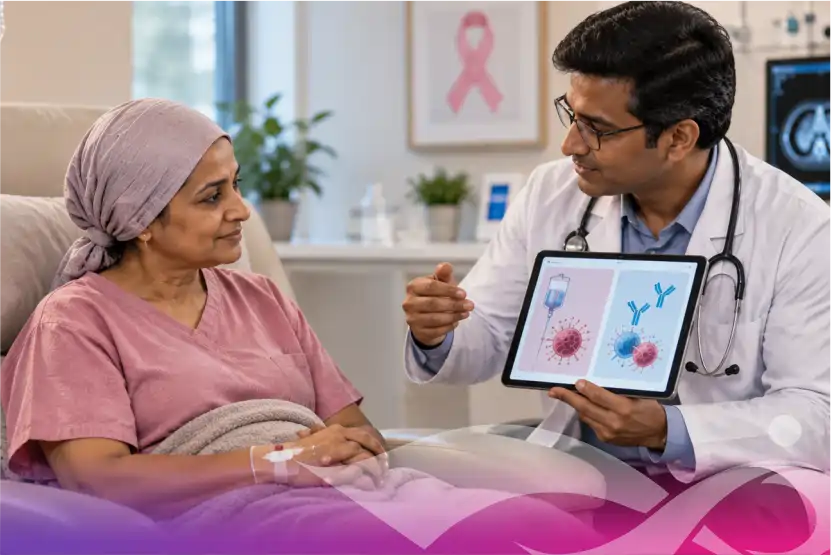
Stage 4 means that the cancer has spread to other organs, like the liver, brain, or bones, or the second lung. A complete cure is rarely the outcome, but lung cancer stage 4 treatment in India looks very different now than it did ten years back. Patients with EGFR, ALK, or ROS1 mutations respond to oral targeted drugs that allow stable daily life for a year or longer. Immunotherapy has produced durable, sustained responses in patients who previously had no good options. Treatment here targets disease control, maintained quality of life, and extended survival, and those targets are being reached more consistently every year.
Why the Hospital Makes a Real Difference
Every lung cancer case involves months of sequential clinical decisions. The quality of molecular testing done at diagnosis determines whether targeted therapy is even available to that patient. The depth of the oncology team determines what happens when a standard approach stops working.
Specialised cancer centres treat non small cell lung cancer in India through multidisciplinary boards, surgeons, oncologists, radiologists, and pathologists reviewing each case as a group. That combined judgement produces a different quality of treatment plan than a single physician working alone. Close monitoring at these centers catches progression or side effects before they eliminate options.
Why IOCI
IOCI combines experienced oncologists, modern diagnostic tools, and treatment plans built around each individual patient. Whether a patient is dealing with an early-stage diagnosis or needs lung cancer stage 4 treatment in India, care at IOCI is shaped around the actual tumour profile and the person's specific situation, not a one size protocol. That support runs through the entire treatment journey, including the parts that are harder to talk about.
Conclusion
The lung cancer survival rate in India is improving most visibly for patients diagnosed early and treated at capable oncology centres. The Lung Cancer Cure Rate India 2026 reflects real clinical progress patients can now access. What each person controls is moving on from symptoms quickly and choosing care that matches the weight of the diagnosis.
Patients may want to consult a specialised oncology centre with multidisciplinary expertise. Timing and expertise determine lung cancer outcomes.