




13 January 2026
How Liver Cancer usually appears in real life
Most people imagine cancer as something sudden. But liver cancer rarely starts that way. It develops quietly, over years of stress on the liver — hepatitis infections, alcohol-related damage, uncontrolled diabetes, fatty liver disease, or cirrhosis. The liver keeps working, and life goes on, so people believe things are fine. Somewhere in that journey, abnormal cells begin to grow. By the time someone feels that something is wrong, the disease has often already moved ahead.
The most commonly seen type in adults is hepatocellular carcinoma
Many patients already know they have a liver condition, but because they don’t feel major pain, they postpone follow-ups. That is where things slip. Early tumors don’t shout. They stay silent. Unless regular scans or monitoring are done, they are discovered late — when treatment choices become fewer.
Early signs and liver cancer symptoms people usually brush aside
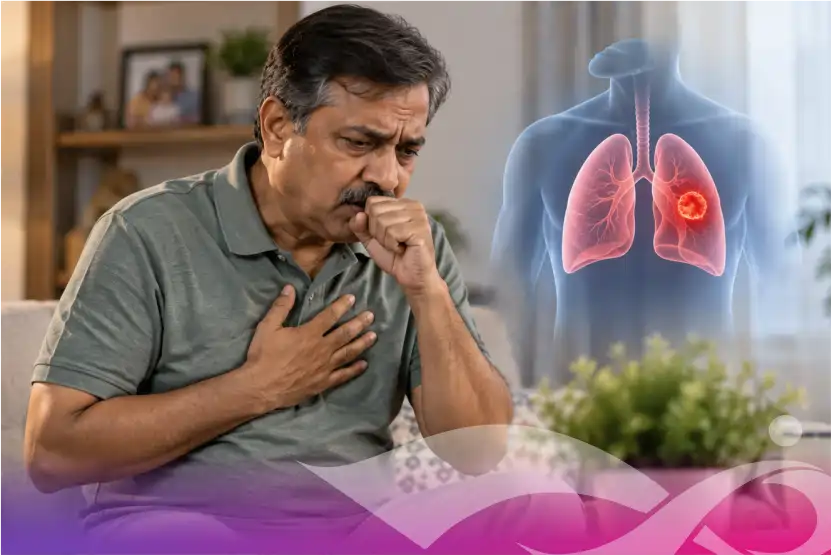
The body does give hints, but they come slowly. Tiredness that lingers. Gradual weight loss. Reduced appetite. A heavy or full feeling in the upper abdomen. Sometimes the eyes or skin start turning yellow. Sometimes the stomach appears bloated. Sometimes there is a dull discomfort on the right side.
Most people explain these changes away as stress, acidity, age, or weakness. Weeks pass. Then months. And when tests finally happen, the tumor is no longer in its early stage. What could have been treated more simply now needs a far more complex approach. That gap — between first sign and first consultation — is where outcomes change.
Why an early diagnosis opens doors that late diagnosis closes
When liver cancer is detected early and the liver is still reasonably strong, treatment can be planned with a curative intention. Some patients may become eligible for surgery. A few, for transplantation. In others, minimally invasive ablative procedures may work well.
Once the disease reaches an advanced stage, the plan changes. Treatment becomes about control, stability, and slowing progression through systemic or targeted therapies rather than completely removing the tumor. The turning point between these two paths is almost always timing.
How liver cancer treatment in India has evolved
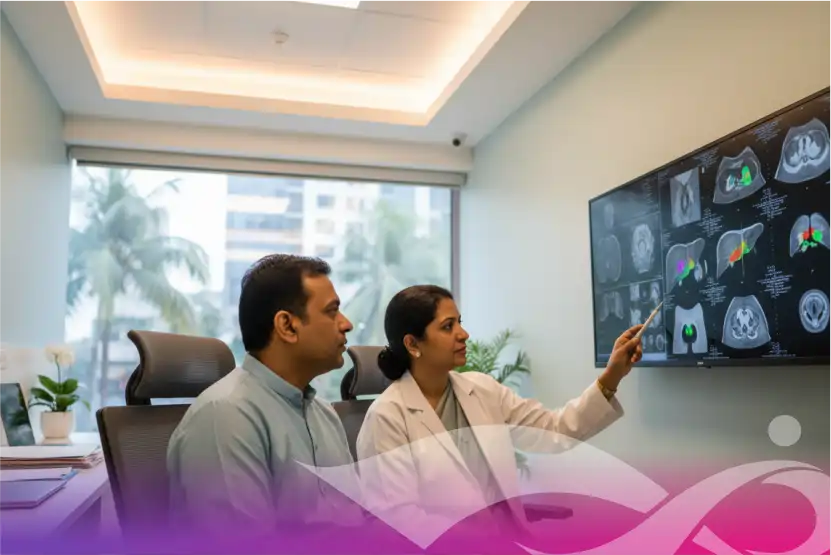
Cancer care in India has changed meaningfully over the last decade. Today, decisions are not taken by one doctor alone. Cases are discussed in tumor boards, where medical oncologists, surgical oncologists, hepatologists, interventional radiologists, gastroenterologists, and pathologists review reports, scans, liver reserve, and the patient’s overall health before deciding the plan.
The aim is not only to extend life, but to balance safety, quality of life, and long-term wellbeing. Patients also need counselling on alcohol cessation, hepatitis care, weight management, diet guidance, emotional support, and regular follow-ups. For people with chronic liver disease, monitoring remains important even after treatment, because recurrence risk does not completely disappear.
The emotional side that families rarely talk about
A cancer diagnosis doesn’t just affect the body. It disrupts routine, confidence, and peace of mind. Patients worry about their future. Families worry about decisions, outcomes, and the road ahead. What truly helps is clarity — when doctors explain the condition slowly, in simple language, without rushing. Understanding reduces fear and makes decisions steadier.
When should someone see a specialist?
Anyone living with hepatitis, cirrhosis, fatty liver with fibrosis, or long-term alcohol-related liver disease should remain under regular specialist follow-up even if they feel fine. Screening often detects small tumors before they disturb day-to-day life. And if symptoms like jaundice, persistent abdominal discomfort, or unexplained weight loss appear, waiting rarely helps — early consultation does.
At IOCI, liver cancer care is guided by early detection, precise diagnosis, multidisciplinary planning, and compassionate support for every patient and family through each step of treatment.
Consult us at any of our locations across IOCI Noida, Greater Noida, Mumbai, Indore, Chh. Sambhajinagar, Agartala, Saharanpur, Kanpur and Jodhpur.