





23 January 2026
Why early disease often goes unnoticed
In many patients we see, the illness does not begin with a dramatic symptom. It starts quietly, somewhere deep inside the abdomen, where the pancreas sits behind the stomach. When Pancreatic Cancer develops, it rarely causes obvious pain or visible swelling in the beginning. The organ is hidden, silent, and difficult to examine from outside — so early changes simply do not feel like “something serious.” People continue with their normal routine. They work, eat, travel, rest — and the disease keeps progressing in the background without drawing attention. That is one of the biggest reasons early detection is so difficult.
When early symptoms feel like everyday issues
Patients often recall the first few months in vague terms. Mild digestive discomfort. Loss of appetite. Tiredness that doesn’t fully improve. Weight slowly dropping even without trying. Some feel a dull backache and assume it is posture or routine strain. In a few people, jaundice appears later when bile flow becomes blocked.
These patterns gradually begin to resemble recognised pancreatic cancer symptoms, but the challenge is this — none of them feel dramatic in the beginning. They look like acidity, gastritis, weakness, stress, or lifestyle fatigue. So people wait. They adjust diet. They try home remedies.
And time passes quietly.The problem isn’t lack of awareness — it is that the symptoms don’t feel alarming early on.
Why the location of the pancreas makes early detection difficult
Unlike organs that can be examined or felt during routine check-ups, the pancreas lies deep in the abdomen. Small tumours do not create lumps, swelling, or visible structural changes. Early disease often does not show up clearly unless specific imaging or targeted evaluation is done.
By the time symptoms progress — jaundice, persistent abdominal discomfort, significant weight loss — the condition may already be at more advanced pancreatic cancer stages. That is why many people reach the doctor only when the body has already been coping with the illness for some time. It is not negligence — it is the hidden nature of the organ.
How the disease progresses before strong symptoms appear
The pancreas is closely connected with major vessels, digestive structures, and surrounding tissues. As abnormal cells grow, they may spread gradually to nearby regions without producing intense pain early on. The body adapts, people adjust habits — smaller meals, slower eating, more rest — and the illness continues quietly.
Families often ask, “Why didn’t we know earlier?” In reality, most early cases simply don’t reveal themselves through obvious warning signs.
That is what makes this cancer different from many others.
How doctors evaluate and decide treatment
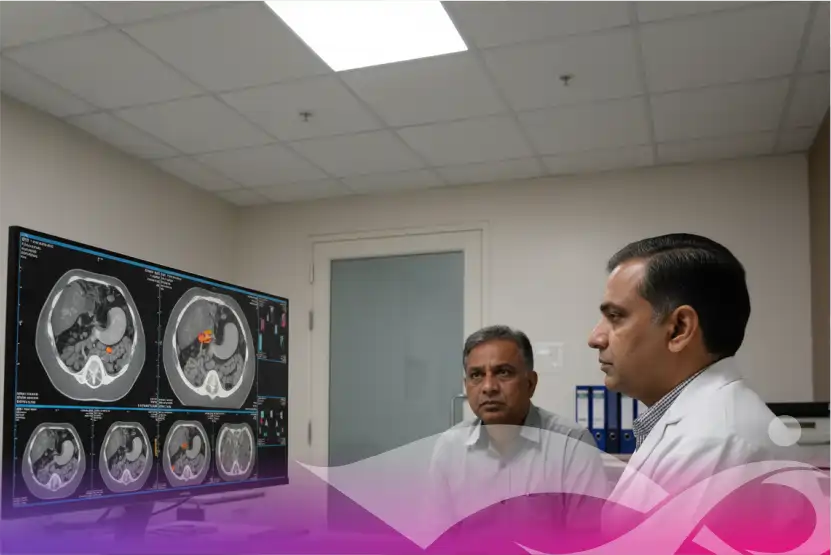
Evaluation generally involves detailed imaging, specialist examination, and laboratory assessment to understand how far the disease has progressed and which structures are involved. No two patients receive the same plan — every case is reviewed on the basis of stage, spread, nutritional strength, age, and overall health.
In carefully selected early cases, surgery may be considered as part of pancreas tumor treatment with curative intent. In other situations, treatment may involve chemotherapy, targeted therapies, or combined approaches that focus on controlling progression, relieving symptoms, and helping the patient maintain stability and strength through care.
Modern treatment is multidisciplinary — surgeons, medical oncologists, gastro specialists, radiologists, pathologists, and nutrition experts work together so decisions remain safe and realistic for the patient.
The goal is not only treatment — it is also dignity, comfort, and support through the process.
The emotional side families rarely talk about
Pancreatic illness affects more than the body. It affects confidence, appetite, routine, and peace of mind. Many patients experience symptoms for months before seeking help because they don’t feel “sick enough.” Families notice weight loss or weakness but assume stress, diet, or overwork is the cause.
Once the condition is explained clearly — what it is, what stage it is at, what options exist — people usually feel steadier, because clarity reduces fear. Nutrition guidance also becomes essential, since strength and recovery are closely linked.
When should someone seek specialist advice?
Anyone who experiences unexplained weight loss, persistent loss of appetite, ongoing abdominal or back discomfort, jaundice, or new digestive changes that do not settle with time should not ignore them. People with chronic pancreatitis, sudden unexplained changes in diabetes control, or a strong family history should remain under periodic specialist follow-up.
At IOCI, pancreatic cancer care is centred on early recognition of warning patterns, accurate diagnosis, stage-appropriate multidisciplinary planning, and compassionate counselling for patients and their families throughout every step of treatment.
Consult us at any of our locations across IOCI Noida, Greater Noida, Mumbai, Indore, Chh. Sambhajinagar, Agartala, Saharanpur, Kanpur and Jodhpur.