




27 March 2026
What Actually Happens When Doctors Check for Colorectal Cancer
Nobody walks into a doctor's office hoping to talk about their colon. It is an uncomfortable subject, and for most people, the idea of being tested for cancer adds another layer of anxiety on top of that. But here is the thing: the actual process of getting checked is far less frightening than most people imagine it to be. And knowing what it involves, step by step, takes away a lot of that fear. Colorectal cancer does not always show itself clearly in the beginning. Sometimes it grows for months, even years, before a person notices anything wrong. That is precisely why the diagnosis process exists not just to confirm a problem, but to catch one before it becomes serious.
The Earlier It Is Found, the Better Things Go
This is not just something doctors say to encourage people to show up for checkups. It is backed by how the disease actually behaves. Understanding the Causes Of Colorectal Cancer is part of what helps doctors and patients recognize risk before symptoms even begin. Colorectal cancer that is found at an early stage before it has grown through the wall of the colon or spread to other organs is treated very differently from cancer that is found late. Early-stage treatment is often limited to removing the affected tissue. Recovery is quicker. The chances of the cancer returning are lower. Life after treatment looks a lot more normal. Late-stage colorectal cancer is a different situation entirely. Treatment becomes more aggressive, more complex, and harder on the body. The outcomes, while still possible to manage, are not as straightforward. This is the single biggest reason why doctors push for screening even when a person feels completely fine. Waiting for obvious symptoms to appear can mean waiting too long.
The Types of Tests
Colonoscopy
This is the gold standard when it comes to checking the colon. A long, thin, flexible tube with a tiny camera on the end is guided through the entire length of the colon. The doctor watches a live feed on a screen and looks for anything that does not belong to polyps, unusual growths, inflamed tissue, or areas that look abnormal in any way. If something is spotted, a small sample can be taken right then and there, during the same procedure. That sample goes to a lab for further analysis. The procedure is done under sedation. Most people have no memory of it and feel nothing during it. The preparation which involves clearing out the bowel the day before is genuinely the most uncomfortable part of the whole thing. The procedure itself is not.
Stool Tests
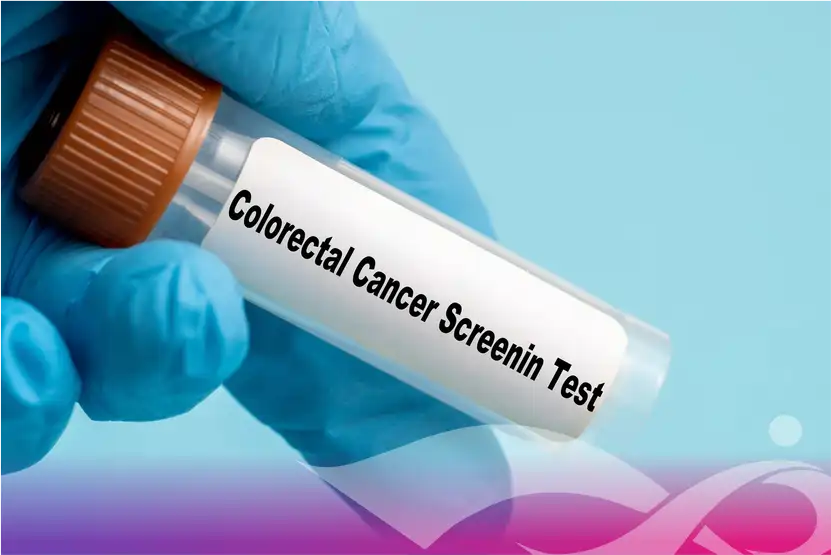
These are non-invasive and can be done at home. A small stool sample is collected and sent to a lab, where it is checked for traces of blood that the eye cannot see. Blood in the stool, even in tiny amounts, can be an early sign that something in the digestive tract needs attention. A positive stool test does not automatically mean cancer. It means further investigation is needed. But it is a simple, low-barrier starting point that has helped catch many cases early.
CT Scan or CT Colonography
Sometimes called a virtual colonoscopy, this imaging test creates detailed pictures of the colon using a CT scanner. It does not require sedation and gives doctors a clear view of the colon's structure. If something looks suspicious on the scan, a traditional colonoscopy is usually recommended to follow up.
Biopsy
This is not a standalone procedure; it happens as part of a colonoscopy when something unusual is found. A tiny piece of tissue is removed and sent to a pathologist, who examines it under a microscope to determine whether cancer cells are present. A biopsy is the only way to confirm a diagnosis with certainty.
How Diagnosis Works in India
Access to colorectal cancer diagnosis across India has genuinely improved over the past ten to fifteen years. But awareness around Colorectal Cancer Risk India still has a long way to go. Many people remain unaware of their own personal risk, and that gap between available care and actual use of that care is where the real problem lies. Hospitals in most major cities now have dedicated gastroenterology departments with the equipment and expertise needed to run the full range of diagnostic tests. The process typically starts with a consultation. A doctor takes a detailed history of symptoms, duration, family background and lifestyle and based on that, recommends a starting point. For some people that might be a stool test first. For others, given their history or symptoms, it might go straight to a colonoscopy. The quality of care varies, and where a person gets tested does matter. Diagnostic centers backed by Top Cancer Specialists In India make a real difference not just in the accuracy of results, but in how clearly everything is explained and what happens next. A good centre does not just hand over a report. It gives context and direction.
When Does Testing Make Sense
Knowing the Colon Cancer Risk Factors that apply to you personally is the starting point for deciding when to get tested. Age, family history, diet, physical activity, and certain pre-existing conditions all factor into how soon screening should begin and how often it should happen. For people with symptoms of blood in the stool, a change in bowel habits that has lasted more than two weeks, recurring abdominal pain, unexplained weight loss, or persistent fatigue testing should happen soon. Not eventually. Soon. For people without symptoms, the general recommendation is to begin screening at 45. That applies to average-risk individuals. For anyone with a parent, sibling, or child who has had colorectal cancer or significant polyps, the recommendation shifts screening should start at 40, or ten years before the age at which that relative was diagnosed, whichever comes first. Anyone unsure about their own risk level should simply ask a doctor. One conversation is usually enough to figure out what makes sense.
The Bigger Problem
Testing for colorectal cancer is not something people look forward to. That is understandable. But avoiding it does not lower the risk, it just delays finding out. A colonoscopy takes under an hour. A stool test takes a few minutes. These are not big tasks. And what they can reveal is either reassurance that everything is fine, or an early catch that changes the entire outcome is worth far more than the discomfort of getting them done.