





12 February 2026
When a Lump Under the Skin Doesn’t Feel Like a Usual Infection Anymore
With many patients who are later diagnosed with Lymphoma, the story often begins with something small and quiet. A swelling in the neck. A lump in the armpit. A node in the groin that feels firmer than usual. It may not hurt. It may not grow fast. And because swollen nodes are commonly associated with infections or seasonal illnesses, most people assume it will disappear on its own. So they wait. Life continues. Work, routine, family, travel. Sometimes the swelling reduces slightly… then it returns again. Sometimes another node nearby becomes noticeable. And slowly, the person realises that this lump has been there longer than expected. That is usually the point where the body begins asking for attention.
When the Swelling Stays Instead of Settling
Over time, the swelling feels more defined to the touch. It becomes easier to notice while shaving, dressing, or looking in the mirror. Some people develop unexplained fatigue. Others begin to sweat at night, waking up with damp clothes or bedsheets. A few experience low-grade fever that comes and goes. Weight loss may occur without trying. Each of these — alone — can still look like weakness, stress, or long-lasting infection. But when they stay, when they come back, when the body keeps sending the same signals repeatedly, they begin to resemble recognised lymphoma symptoms rather than a simple viral illness.
In real consultations, doctors pay attention not only to the lump itself, but to how long it has stayed, whether new nodes appeared, and whether other changes in the body have developed alongside it. Persistence tells the story earlier than pain.
Why Many People Delay Evaluation
Most people believe swollen nodes are temporary. They expect them to shrink after antibiotics or routine treatment. Some feel fine otherwise and assume there is no urgency. Some are worried about what an evaluation might reveal. Others are busy and postpone the appointment, convincing themselves it will go away in time. This hesitation is common — especially in early blood cancer lymphoma — because the illness does not always cause severe discomfort in its initial stages. Life keeps moving forward while the body quietly signals in the background.
When Symptoms Begin to Feel Different from Routine Illnesses
With time, the swelling may increase slightly or become more noticeable. More than one area of lymph nodes may feel enlarged. Some people develop persistent tiredness or breathlessness on exertion. A few experience itching or dull discomfort in the affected region. Night sweats and unexplained fever become harder to ignore. These changes rarely arrive suddenly. They build gradually — until one day they no longer feel like the after-effects of a passing infection. That is when proper evaluation becomes important — not out of fear, but to understand what the lymphatic system is trying to communicate.
How Diagnosis Usually Moves Forward in Clinical Practice
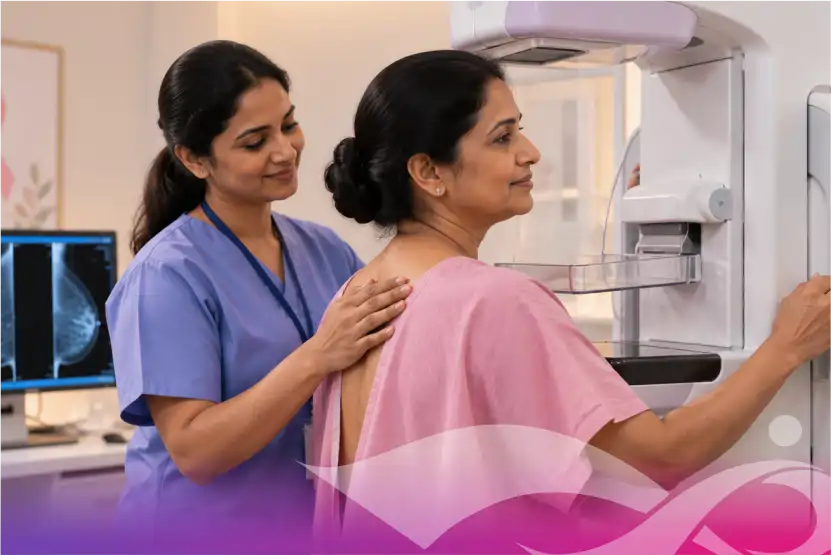
Evaluation begins with history and clinical examination to understand the pattern and distribution of enlarged nodes. Imaging studies and blood tests are advised to assess organ involvement and overall health status. A biopsy of the lymph node is then performed to confirm the diagnosis and to identify whether the disease pattern corresponds to hodgkin non hodgkin lymphoma, because both behave differently and require tailored treatment approaches. Diagnosis is not just a label. It is an understanding of type, stage, tempo of disease, and realistic treatment direction — because two patients with similar swelling may still require very different treatment pathways. Care must remain individual, not standardized.
How Treatment Decisions Are Approached
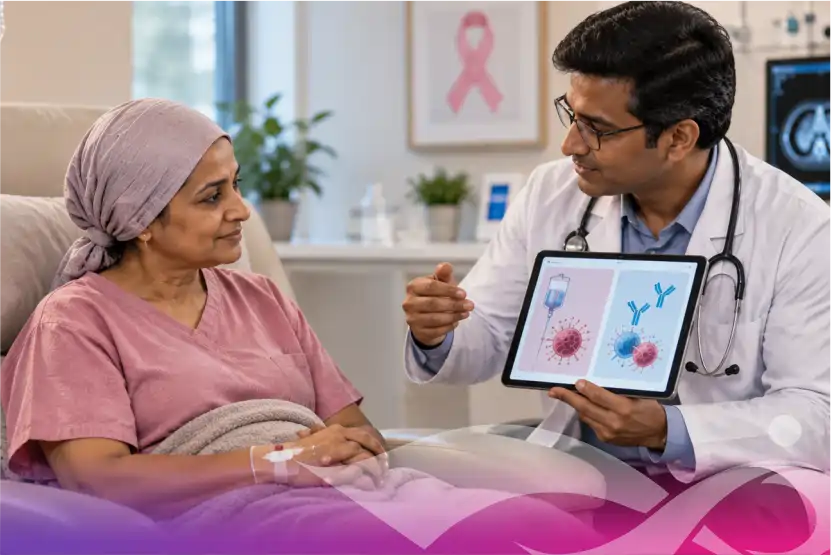
Depending on findings, treatment may include systemic therapy, targeted medicines, immunotherapy, radiation, or carefully planned combinations. Decisions are usually discussed within a multidisciplinary oncology team so that effectiveness, safety, tolerance, long-term outcomes, and quality of life are considered together. Equally important is conversation — explaining what the diagnosis means, what treatment involves, how life may feel during therapy, and what support systems will be needed along the way. Healing in lymphoma is medical — but it is also emotional, psychological, and deeply personal.
The Quiet Worries Many Patients Do Not Express Aloud
A persistent swelling makes people think about their future, work, family responsibilities, and uncertainty about what lies ahead. Many do not say these thoughts out loud, but they carry them internally. Clear explanation, honest guidance, and step-by-step planning help replace fear with steadiness. Clarity itself becomes part of treatment.
When Should Someone Seek Specialist Evaluation?
A person should seek medical review if they notice a persistent or progressively enlarging lymph node in the neck, armpit, or groin, or if it is accompanied by fatigue, night sweats, unexplained fever, weight loss, or general weakness. These changes do not always indicate cancer — but when they remain or evolve, they should not be ignored. At IOCI, lymphoma care focuses on early recognition of warning patterns, accurate diagnosis, thoughtful stage-appropriate planning, and compassionate support for patients and their families through every step of treatment and recovery.
Consult us at any of our locations across IOCI Noida, Greater Noida, Mumbai, Indore, Chh. Sambhajinagar, Agartala, Saharanpur, Kanpur and Jodhpur.